Home · Blog · Geocaching: The Hunt for Treasures
Geocaching: The Hunt for Treasures
How geocaching grew from a single GPS-marked container into a worldwide game, what rules apply to hiding one, and how it compares with our team game Treasure Hunt.
Where the First Cache Came From
The first cache was found on May 4, 2000, in the United States. Back then, the game was known as the Great GPS Stash Hunt; it got its official name, Geocaching, less than a month later. In the Czech Republic, the first cache was placed exactly one year later; it’s still active and sits in a nature reserve near Štramberk. The game caught on fairly quickly and spread around the world within its first five years.
A Walk with a Purpose
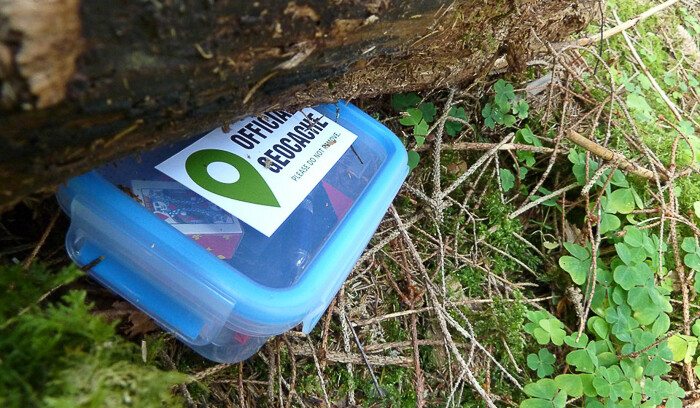
A cache is usually a waterproof container, such as a plastic box with a lid. It has to be big enough to hold at least a logbook and a pen. You always write your name and the date you found the cache in this logbook. The container often holds various items and small treasures too. When you find a cache, you can take one of the items, but the custom is to leave something in return for the next finder. The point of the game is to have as much fun as possible while discovering places that regular tourists usually pass by. Treasure seekers, known as geocachers, head to forgotten corners of the Czech Republic and neighboring countries where they’d never go otherwise. Difficulty varies from cache to cache. Some players aim to find as many caches as possible in a short time; others pick difficult terrain or go hunting for treasures abroad.
Rules of the Game
Caches come in several types, depending on how complicated the path to them is. A traditional cache sits at a set spot that GPS coordinates lead you to. The coordinates are available to registered members on the game’s website; without registering, you won’t see them. With a mystery cache, you first have to solve puzzles or ciphers during the hunt, and only those lead you to the correct coordinates. Another variant is the multi-cache. Before reaching the final container, you need to find several smaller stashes and use the information inside them to put together the coordinates of the final cache. A geocacher who’s tired of only finding other people’s caches and has enough field experience can hide their own. They should pick a suitable, interesting spot for it, for example near a historic landmark. A cache must never be placed on private property without the owner’s permission. Once you’ve carefully chosen the spot, all it takes is placing a waterproof box, filling it with the prepared contents and camouflaging the cache well. As soon as the cache is hidden and the coordinates are measured, you always need to submit a request to register it on the game’s official website. One more firm rule applies: two neighboring caches can’t sit closer than 161 meters apart.
Geocaching vs. Treasure Hunt
Both games rely on GPS and walking outdoors. They differ in what you’re looking for, who you play with and how long the game lasts.
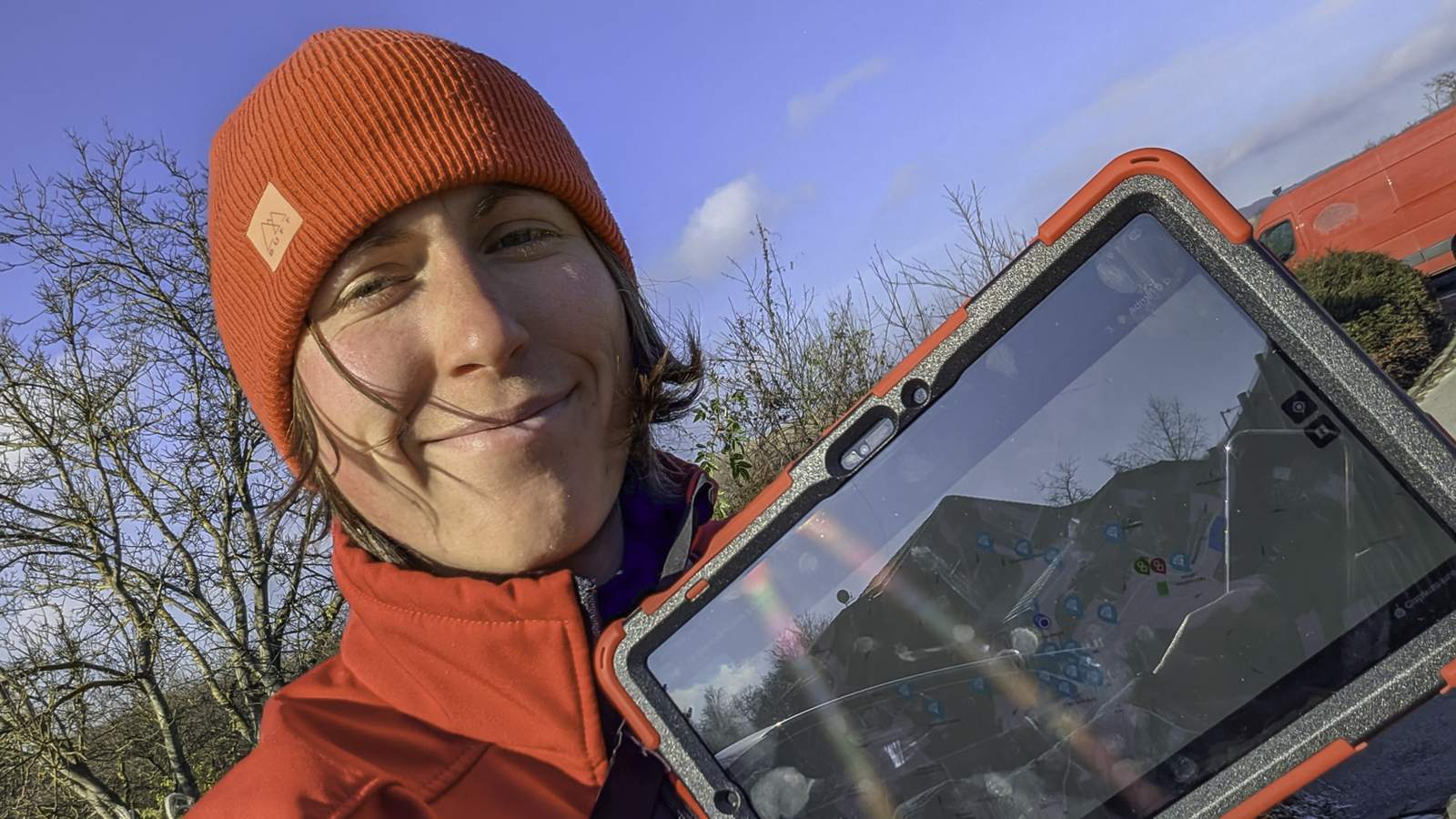
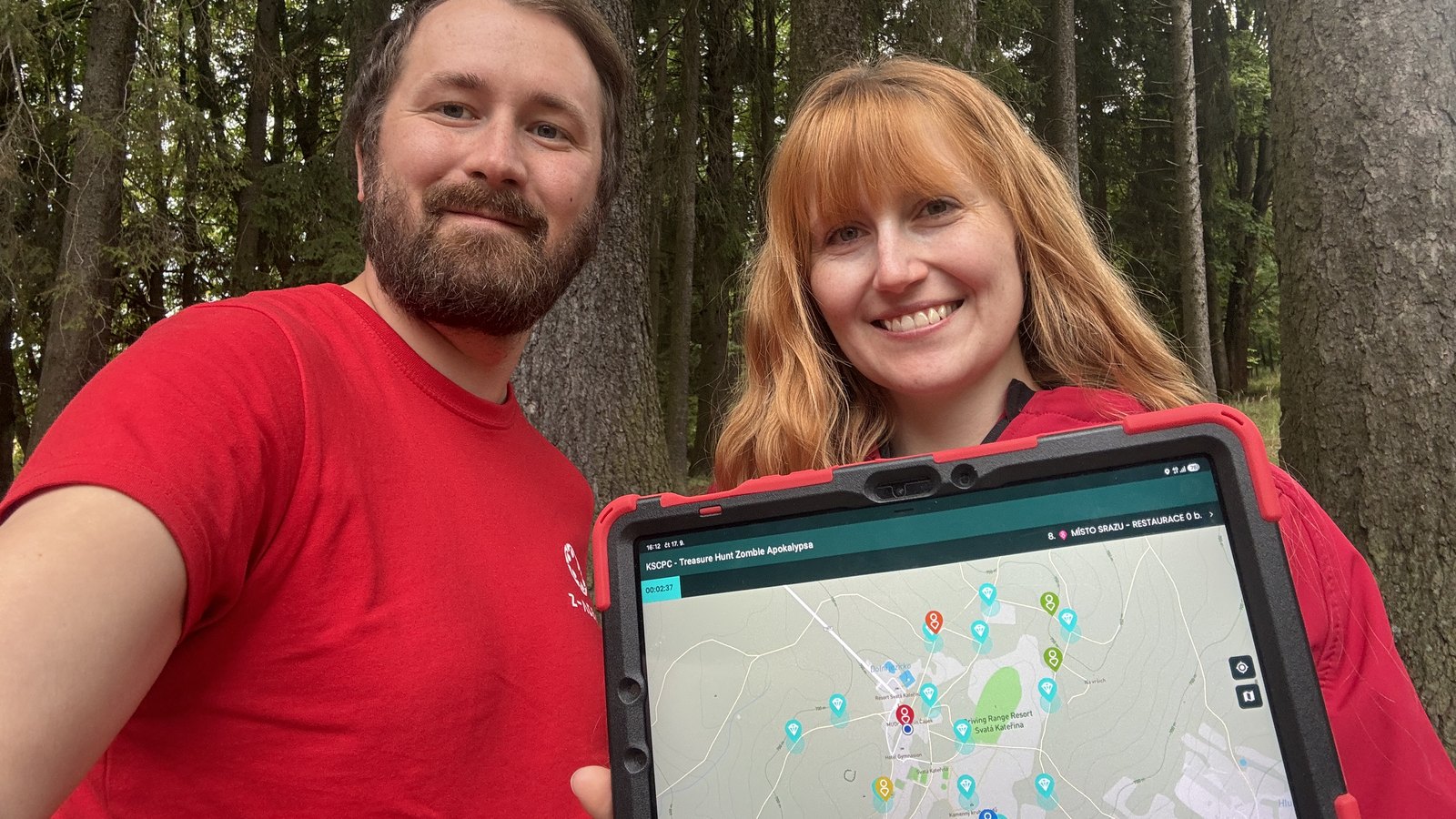
- Treasures: in geocaching, a physical container with a logbook; in Treasure Hunt, virtual treasures on a map on a tablet or phone.
- Activation: you have to find and open a cache, while Treasure Hunt treasures unlock within roughly 10 to 40 m, depending on the terrain and the type of game.
- Players: each geocacher hunts caches at their own pace; Treasure Hunt is played by teams competing against each other and solving tasks together.
- Duration: geocaching has no fixed end; one Treasure Hunt game keeps a team busy for 2 to 3 hours.
- Preparation: the geocacher hides and maintains the cache themselves; for Treasure Hunt, we pick the best game in the area.
When Should You Choose Treasure Hunt?
Treasure Hunt makes sense when you want to hunt for treasures with colleagues, friends or family all at once and get a result in a single afternoon. The team sees all the treasures on the map and chooses the order itself, so strategy counts as much as walking.
Challenge Tour has a fixed order from start to finish; in Mystery Trail, you only ever see the next treasure and don’t know the route in advance. We’ve been running Treasure Hunts since 2013.
Browse our outdoor games, pick the city where you want to hunt for treasures, and send us your date and group size.
Frequently Asked Questions
When did geocaching start? The first cache was found on May 4, 2000, in the United States. In the Czech Republic, the first cache was placed one year later, and it sits in a nature reserve near Štramberk.
What’s the difference between geocaching and Treasure Hunt? In geocaching, you look for a real container with a logbook; in Treasure Hunt, you look for virtual treasures on a map on a tablet or phone using our GPS app. Treasure Hunt is played by teams together, and one game keeps them busy for 2 to 3 hours.
How close can two caches be? Two caches can’t sit closer than 161 meters apart.
Treasure Hunt Prague
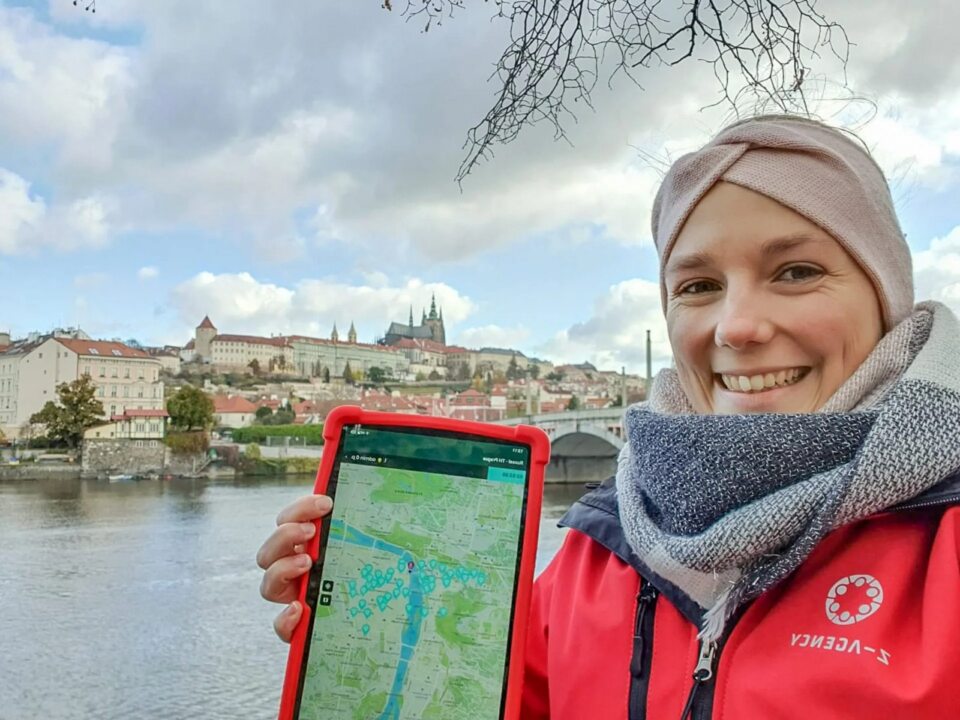
Our instructors run the game with tablets, or you start it yourselves on your phones. Tell us the number of people and the date, we will get back to you the same day.
Summary
- Geocaching started in 2000 in the United States, and players use GPS coordinates to find real containers holding a logbook.
- Two caches can't sit closer than 161 meters apart, and the owner registers a new cache by submitting a request on the game's official website.
- In Treasure Hunt, a team searches for virtual treasures on a map on a tablet or phone with a GPS app, and treasures unlock within roughly 10 to 40 m.
- One Treasure Hunt game keeps a team busy for 2 to 3 hours, and the team chooses the order of the treasures itself.
If you want to experience a treasure hunt with your whole team, choose one of our outdoor Treasure Hunt games and send us your date and group size.