Strategic Partnership Between Z-AGENCY and VR Tours Budapest: A New Era of Team Building in Hungary

Introducing the Companies

Z-AGENCY is a renowned company specializing in team building activities using modern technology. They operate the TerraHunt gaming platform, which blends gamification, team competitions, incentive elements, and cipher challenges to create interactive games like Treasure Hunt, Challenge Tour, and Mystery Trail. These games work seamlessly in both outdoor and indoor settings, serving a wide range of clients – from corporations to educational institutions.

VR Tours Budapest is a leading Hungarian company that specializes in virtual reality and digital city tours. Focused on integrating modern technology with tourism, history, and education, they help visitors experience the rich history and culture of cities through interactive digital tours.

Both companies share a passion for innovation and a commitment to delivering unique experiences. By joining forces, they aim to redefine team building activities in Hungary.

When Innovation Meets Shared Values

The strategic partnership between Z-AGENCY and VR Tours Budapest was sparked by a recommendation from a well-connected associate who recognized the synergy between treasure hunt games and modern VR technologies.

After an introduction to each other’s services, both teams quickly identified promising areas for collaboration. Shared values – such as a focus on quality and interactive experiences – became the cornerstone for further discussions.

Planning and Market Strategy

In an online meeting, the TerraHunt platform was presented in detail, and potential business opportunities in Hungary were analyzed. Various strategies for selling treasure hunt programs in both B2B and B2C sectors were discussed, including direct sales and partnerships.

Both parties examined the current market for team-building activities in Hungary and explored how their combined strengths could maximize business outcomes.

The decision was made to focus primarily on corporate clients (B2B) and to launch the exclusive Treasure Hunt Budapest as a premium team building activity for companies seeking innovative ways to enhance teamwork.

The Journey from Concept to Launch

After finalizing the agreement, a preliminary survey of Budapest was conducted to identify the most attractive spots in the historic center for placing game treasures.

The joint team focused on sites of historical significance and cultural interest that could be integrated into the game scenario.

In the very next days, the creation of Treasure Hunt Budapest began. Specialists from both companies worked together as one creative team, designing one treasure after another.

Emphasis was placed on:

  • Developing engaging questions and tasks that reflect Budapest’s history, culture, and notable attractions.

  • ​Optimizing the user experience to ensure the game is intuitive and accessible for players of all experience levels.

  • Rigorous testing and adjustments to guarantee smooth gameplay and high quality.

  • Following the testing phase, optimizations were made based on feedback from early players and internal evaluations.

Launching Treasure Hunt Budapest

Starting April 1, 2025, the game will be officially available to corporate clients in Hungary. This project exemplifies how gamification, when combined with modern technology, can create a unique team building concept. The game will be offered through VR Tours Budapest and simultaneously available on the TerraHunt platform.

Z-AGENCY will manage the game primarily in Czech and English, offering full service support including organization and technical management. Meanwhile, VR Tours Budapest will provide operation in English and Hungarian using clients’ devices, thereby offering greater accessibility and flexibility for corporate events.

The business strategy involves targeted marketing, collaboration with corporate HR departments, and leveraging references from previous successful projects.

The primary goal is to establish Treasure Hunt Budapest as the leading team-building activity in Hungary and to gradually expand the offering with additional interactive game formats.

What were Roman amphitheaters used for?

In the beginning…

Few know this, but gladiatorial games are not a Roman invention. They originated in Campania, where gladiatorial combat began to be practiced approximately four centuries BCE.

Initially, these were not mass entertainment but a ritual to honor the dead. Furthermore, gladiators initially fought in private, not in public.

After the Roman conquest of Campania, gladiatorial matches gradually became a mass entertainment. This is why such contests began to be held more frequently in so-called amphitheaters, originally semi-circular theaters, allowing a large number of spectators to watch the games.

Most amphitheaters, however, were small wooden stands. Due to the rising popularity of gladiatorial games, much larger stadiums, mostly made of stone, began to emerge throughout the empire.

A huge theatre…

Although gladiatorial games were popular even in the Republic era, it was not until the Imperial period that this “sport” became truly opulent entertainment.

All emperors strived to keep Romans as satisfied as possible, and gladiatorial games contributed significantly to this.

However, these were not cheap affairs. Gladiators were very expensive, so each game needed its wealthy sponsor.

In the empire’s peripheries, this entertainment was most often paid for by wealthy representatives of the empire, while in the world’s capital, it was managed by the emperor himself. Often, this would completely drain the state treasury.

A lot of money also went into the amphitheaters themselves. It is estimated that several thousand could have been operational at any one time throughout the Roman Empire.

About four hundred of them have survived to this day. Many are globally famous and serve as tourist attractions.

Pula

Croatia is not just beautiful beaches and amazing seas but also monuments. Among the most popular is the amphitheater located in Pula. At first glance, it is evident that it is no small feat.

This ancient stadium boasts three tiers. The structure is very well preserved even after two millennia.

Nîmes

While the French have managed to build a whole range of their own architectural gems over the course of their history, they also inherited some from the Romans.

The Arena of Nîmes is among them. This structure was completed just a few years after the completion of the Roman Colosseum. Although not as large, the arena still managed to accommodate over twenty thousand spectators.

Rome

The best for last – the Roman Colosseum. Clearly, in the capital of the rulers of the then world, nothing smaller could stand.

This arena was designed to hold up to eighty thousand people, similar to today’s largest stadiums. Although originally called the Flavian Amphitheater, people more commonly adopted the name Colosseum. This was due to a thirty-meter statue of Emperor Nero that stood in front of the amphitheater.

Telč: A UNESCO Treasure Worth Discovering

Telč Castle

The centerpiece of the town is the iconic Telč Castle. Originally a Gothic fortress, it was transformed into a Renaissance chateau by Zacharias of Hradec. Although not a massive structure, the castle offers an intriguing tour experience.

Don’t miss the beautiful Renaissance-style garden, which is open to the public during visiting hours and provides a serene escape for nature lovers.

Tower Views of Telč

Telč may be small enough to explore on foot in a single afternoon, but it’s worth taking in its beauty from above.

For stunning views, climb the lookout tower of the Church of the Holy Spirit or the tower of St. James Church. Both churches are located in the heart of the town square, offering breathtaking perspectives of Telč from a bird’s-eye view.

Zacharias of Hradec Square

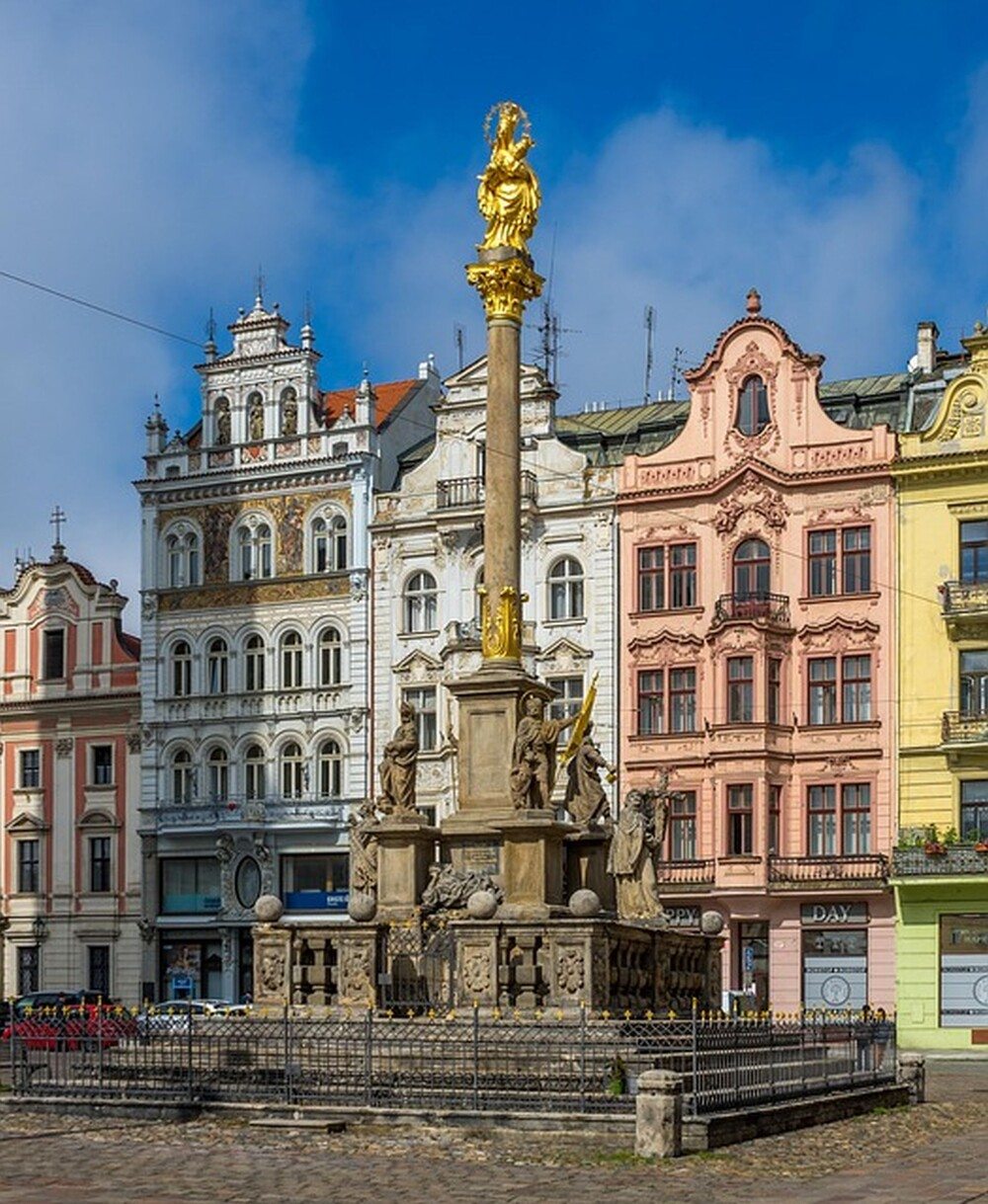
At the heart of Telč lies Zacharias of Hradec Square, a historical jewel with a triangular layout. This square, named after one of Telč’s most influential figures from the late 16th century, showcases a glorious period of prosperity.

Lined with ornate Renaissance and Baroque townhouses, the square enchants visitors with its intricate facades and decorative gables. Once dominated by wooden houses destroyed in a 1530 fire, the current stone structures now tell tales of resilience and history.

Telčský Dům

Families visiting Telč should make a stop at Telčský Dům, located on the main square.

This attraction is a magical world filled with fairytale characters, gnomes, and local legends. Kids will love the interactive playroom, featuring a large slot car racetrack, while parents can enjoy the creative storytelling woven into the exhibits.

Museum of Technology

Another must-see in Telč is the Museum of Technology. Housed in a former sawmill, the museum showcases fascinating historic artifacts, including vintage cars and motorcycles that look as pristine as the day they were made.

Where to Go in Krakow?

Wawel Castle

This iconic landmark draws countless tourists every year. Located on Wawel Hill above the Vistula River, the castle was once the residence of Polish kings when Krakow was the nation’s capital.

Visitors can tour royal state and private chambers and peek into the crown treasury and armory.

Children, in particular, love the Dragon’s Den, a cave beneath the hill where a legendary dragon statue is on display, said to have once lived under Wawel.

Kazimierz – The Jewish Quarter

Krakow also has a historic Jewish Quarter, known for its rich culture and history. During WWII, this area faced significant hardship, with thousands of Jewish residents deported to concentration camps.

Despite this, Kazimierz retains its charm, albeit with a different demographic today. Visitors can enjoy various cafes, restaurants, galleries, and museums, with the Old Synagogue, Poland’s oldest Jewish place of worship, as a highlight.

Krakow also has a historic Jewish Quarter, known for its rich culture and history. During WWII, this area faced significant hardship, with thousands of Jewish residents deported to concentration camps.

Despite this, Kazimierz retains its charm, albeit with a different demographic today. Visitors can enjoy various cafes, restaurants, galleries, and museums, with the Old Synagogue, Poland’s oldest Jewish place of worship, as a highlight.

Main Market Square

Krakow’s Main Square ranks among Europe’s largest and oldest squares, dating back to the 13th century as a hub for trade and social life.

Surrounded by historic townhouses and arcades, it’s filled with restaurants offering both Polish and international dishes.

Here, you’ll also find an underground museum with archaeological finds related to Krakow’s history, featuring interactive exhibits for an immersive experience into medieval Krakow.

Tenerife and La Gomera – Sleeping on the top of Pico de Teide

So we went there and enjoyed our Christmas time. There is some information below, so you can follow our steps. You should know that we did not want to swim in the ocean, we wanted to experience great outdoor adventures.

Targets

Pajsaje Lunar, Guajara, Las Canadas, Pico de Teide, Masca, whales or dolphins.

Schedule and GPS coordinates of Tenerife trek


Day 1

Flight to Aeropuerto de Tenerife Sur Reina Sofia. There is a little Touristic center and bus station in front the airport building. It is good to buy a special ticket (12 EUR) that you can use many times and for several people and you will save money every time you take the bus. We traveled to San Isidro and slept in a hotel.

Day 2

Go by bus from San Isidro to El Medano. You can swim in the sea there and you can do one more important thing there – visit the Tenerife Outdoor shop. You can buy a gas cartridge there. They normally have the classic Campingaz cartridges but if you contact the shop several days in advance, they are able to sell you the Coleman kind of cartridge (screw-thread) as well.

Then you will move to Vilaflor by bus (bus station is about 100 m from the shop). There is no direct bus line so you’ll have to change bus in Granadila de Abona. When you arrive to Vilaflor, you can continue on foot. When you arrive to the Pajsaje Lunar/Guajara crossroad, there is possibility to sleep about 100 m from the road towards the south (it is not allowed to sleep in tent in the wild nature, so it is up to you). Make sure you bring enough of water with you as there is no source of water.

Day 3

Next day you will continue to the Guajara mountain and experience magnificent views on Pico de Teide. This part of trek is the most beautiful part. If the weather is good, you can se the entire volcano area and the Pico de Teide. The top of Guajara is the best place for amazing views. There are several paths from the Guajara down to the Canada Blanca, and some of them are more difficult. GPS coordinates do not lead 100% correctly.

There is a tourist center, restaurant, bathroom and shop at Canada Blanca. It’s the only place to buy water (0,5 l for 4 EUR !!!) or alternatively you can take it from a restroom tap. We put our tent down about 200 m before this place right next to the path (shortcut between road and tourist center), but next day we found better places next to Las Canadas circle, about 400 m from the road. It is not allowed to sleep there either, but if you behave quietly and nature-friendly it is normally OK.

Day 4

Next day we did the Las Canadas circle (this trek is amazing, definitely go there in the morning before 9 am – then hundreds of buses and thousands people will come), than we got lunch at Canada Blanca restaurant and got to the Pico de Teide by car (we hitch-hiked). We went up to the volcano by lift (be careful because of opening hours – you have got time till 5 pm, but there are hundreds of people ahead. So be there till 4 pm. When you get up, enjoy the sunset and then move about 200-300 down the volcano. There you will find about three suitable places (on the right side, in the middle of lava field) for a tent in the middle of the path from the top of the volcano to Altavista hut.

You can only get to the top of Pico de Teide without permit in the morning (before 8:30 am) and in the evening (after 6 pm). If you want to go there during the day, you need a permit and you have to ask for it in advance (about 1-2 moths) through internet (permit is free of charge). Sleeping under the top of Pico de Teide is a freezing experience, it was minus 5 degrees inside the tent the day before the Christmas Eve.

Day 5

Next day in the morning you will climb (there is a friendly path – more road then path) to the top of Pico de Teide. From your place it will take about 40 min, so it is not necessary to get up so early. Sunrise was at about 7 am. Then go back to your camping place, pack your tent and follow the path to the El Portilo. There is a tourist center, and a restaurant at this place. There is a bus station in the parking lot, but you should know that there are several parking lots, so you have to find to right one next to the restaurant.

From here, we went to Masca by bus (we had to change the bus 3 times). It is a crazy way, but you can get  from El Portilo to Masca during the rest of day (you will get to Masca late at night (about 11 or 12 pm). We got to Masca late at night and it was Christmas Eve. We slept (almost) under the stars (in the middle of village). There is a beautiful square ant we slept in the bower in front the church.

Day 6

Next day we did the famous Masca trek – Barranco de Masca – the Pirates path. It will take about 5 hours. It is not a difficult trek, but in the end you will be tired enough. Then you will arrive to the ocean and you can take a water taxi (or go back to Masca) to Los Gigantes. We were there around 2 pm and made the decision to visit Santa Cruz de Tenerife and take the day off in a luxury hotel (for rest of the day).

Day 7

Next day in the morning we visited the Anaga area. We went by bus to the Las Mercedes and then to the Cruz del Carmen. There is a tourist center, they will give you maps and they will recommend you the right trek. Unfortunately, the weather was poor that day. The wind was so strong that it was dangerous to walk across the forest (because of falling branches).  We hiked only a short loop there (about 5 km) and then moved back to Santa Cruz de Tenerife. We were trying to figure out what to do next (because we had already seen the best of Tenerife) and we got the idea to visit the La Gomera island.

So we bought tickets at the bus station. Fred Olsen company took us by bus to the Los Cristianos harbor and we experienced a night sail to the La Gomera island to San Sebastian de la Gomera. San Sebastian is amazing city with a great atmosphere. If you want to sleep for cheap, find the Pension Bar Victor (20-30 EUR/room).

Day 8

Next morning we visited the tourist center and got some maps, then we moved to the bus station and went to Pajarito bus stop, where started our one day La Gomera trek. We hiked up to the top of the Alto de Garajonay, the highest La Gomera mountain (to be honest – it is more a hill than a mountain) and then we continued to the Laguna Grande and back again. Easy walk, nothing special, if the weather is good you can see the Pico de Teide from the top of Alto de Garajonay. We got back to Pajarito late at night so we had to take a taxi back to San Sebastian.

Day 9

Next morning we were sailing back to Los Cristianos and we were enjoying views of La Gomera as well as Tenerife from the boat. We had almost half a day left so we bought 2 hour-long whale watching tickets and we saw a lot of them. It was a nice experience. Then we went to the airport (by bus), where we spent a couple of hours for our flight back home.

Transports

We did not use a car. There is a great bus infrastructure, you can get everywhere and at any time. Buy the permanent ticket – it is a good investment.

Equipment

We used standard outdoor equipment, nothing special. You should know, that you will not find drinking water in the nature. You will have to buy it, and it is quite expensive at some places (Canada Bianca).
 

Which Lesser-Known Places in Vienna Should Not Be Missed?

Jewish Museum

Vienna boasts the oldest Jewish museum in the world. It was opened in 1896 and still operates today. Although the museum deals comprehensively with Jewish history in Austria, the permanent exhibition titled “Our City! Jewish Vienna – Then and Now” attracts the most interest from visitors.

This exhibition primarily focuses on the history after 1945 and the arduous rebuilding of the Jewish community after World War II.

Imperial Crypt

Austrian history is very rich, as evidenced by the Imperial Crypt. As the name suggests, no commoners are buried here, but former rulers of Central Europe. Finding this place is not difficult, as it is part of the city center.

A total of 146 Habsburgs are buried in the crypt, specifically twelve emperors and nineteen empresses. During the tour, visitors can also get a glimpse of the funeral ceremony, which used to be very grandiose.

Naschmarkt

Anyone who gets hungry while running around Vienna can stop by Naschmarkt – a popular Viennese market. Locals have been buying various delicacies here since the 16th century. However, it’s not just local foods available here; although they dominate the market, one can also taste goodies from Italy, France, or even Vietnam.

Naschmarkt includes a number of bistros, fast food stalls, and restaurants. Those interested in visiting this gastronomic attraction can easily reach the market by tram or subway.

Austrian Parliament

Usually, parliamentary buildings are not particularly attractive to tourists, but the parliament in Vienna is an exception that proves the rule. At first glance, it’s evident that the architect was heavily inspired by ancient Greece. This is reflected not only in the facade but also in the statue of Athena that stands in front of the main entrance.

The unusual appearance of the parliament is the work of Danish architect Theophil Hansen. The building was completed in 1883. The Austrian Parliament can be found on Ringstrasse.

Museum of Military History

Those who are fascinated by weapons and the military should not miss a visit to Vienna’s Museum of Military History. It is the oldest museum in the Austrian capital. It will come as no surprise that the museum mainly features various weapons, uniforms, and other military items.

Since Austria had a narrow strip of sea for a long time, some ship models and many other maritime artifacts are also on display in the museum.

The history of glassmaking in Nový Bor

The First Glassworks

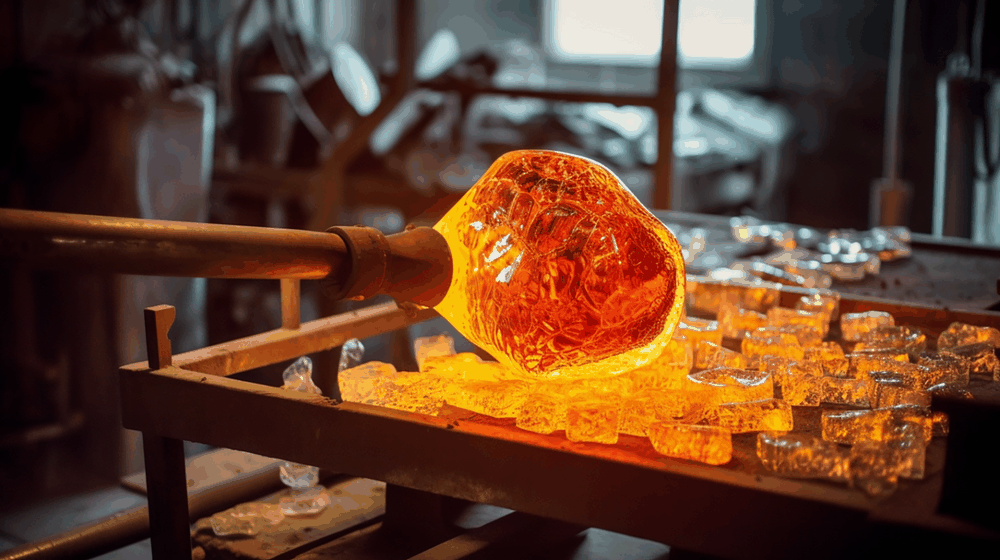
The glassmaking in Nový Bor dates back to the 14th century, when the first glassworks were established. Thanks to the presence of quality wood and sand for glass production, this area became an ideal place for the development of glassmaking.

Famous Glassmaking Families

Over the centuries, several glassmaking families settled in Nový Bor, bringing their art and craft to this region. These include, for example, the Kavalír, Rückl, or Roubíček families. These families have significantly contributed to the development of glassmaking in the area and its reputation on a global scale.

Industrial Development

The glassmaking in Nový Bor experienced its greatest expansion in the 18th and 19th centuries, with the export market particularly developing. This era included an increase in the number of glassworks, improvement of techniques, and increasing production. There was also professionalization and diversification of the industry.

Artistic Glassmaking

Nový Bor is known not only for its production of utility glass but also for artistic glassmaking. During the 20th century, a tradition of glass art developed here, involving the creation of original and innovative designs. Significant artists such as Stanislav Libenský or Jaroslava Brychtová contributed to the development of artistic glassmaking and its international recognition.

Technical Progress

Many innovations and technological developments have taken place in the glassmaking industry in Nový Bor. These include the invention of various methods, such as blown glass, ground glass, or cast glass. These innovations have helped streamline production and expand design possibilities.

Export Successes

Thanks to the high quality and diversity of products, the glassworks from Nový Bor became world-renowned and their products were exported to many countries. In this way, the city gained international prestige and became an important center of glassmaking.

Education

A number of schools and apprenticeships focused on glassmaking have been established in Nový Bor. This allowed for the development of professional skills and education in this craft. These institutions contributed to maintaining and strengthening the glassmaking tradition in the region.

International Influence

Glassmaking in Nový Bor was also influenced by international events. Cooperation with foreign glassmakers, participation in world exhibitions, and exchange of experiences contributed to enriching and expanding the glassmaking tradition in Nový Bor.

The Communist Era

The communist era had a significant impact on glassmaking in Nový Bor. State interventions and restrictions led to a deterioration in quality and a reduction in production. However, after 1989, glassmaking began to gradually recover and reconnect with earlier traditions.

Current Status

Today, glassmaking in Nový Bor continues in the tradition of producing quality and artistic glass. Many glassworks focus on handmade production and original design. At the same time, they are engaged in innovations and modern technologies in glass production.

Perspectives and Challenges

The future of glassmaking in Nový Bor faces several challenges. These include competition from abroad, maintaining traditional skills, and gaining new markets. Despite this, glassmaking in this region maintains a strong position and strives to adapt to new conditions.

Tourism and Culture

Glassmaking in Nový Bor also influences the tourist and cultural life of the city. Visiting glassworks, museums, and exhibitions has become a popular tourist activity. The city also hosts various glassmaking festivals and events that attract visitors from all over the world. In the city, you can also play the competitive game Treasure Hunt Nový Bor.

Sustainability

In recent years, the glassmaking industry in Nový Bor has also focused on sustainability and environmental responsibility. Efforts to reduce emissions and recycle materials contribute to the protection of the environment and the sustainable development of the industry.