Treasure Hunt at Vican Winery: The TerraHunt Gaming Platform as an Impetus for Tourism

Gaming Platform for Resorts and Cities

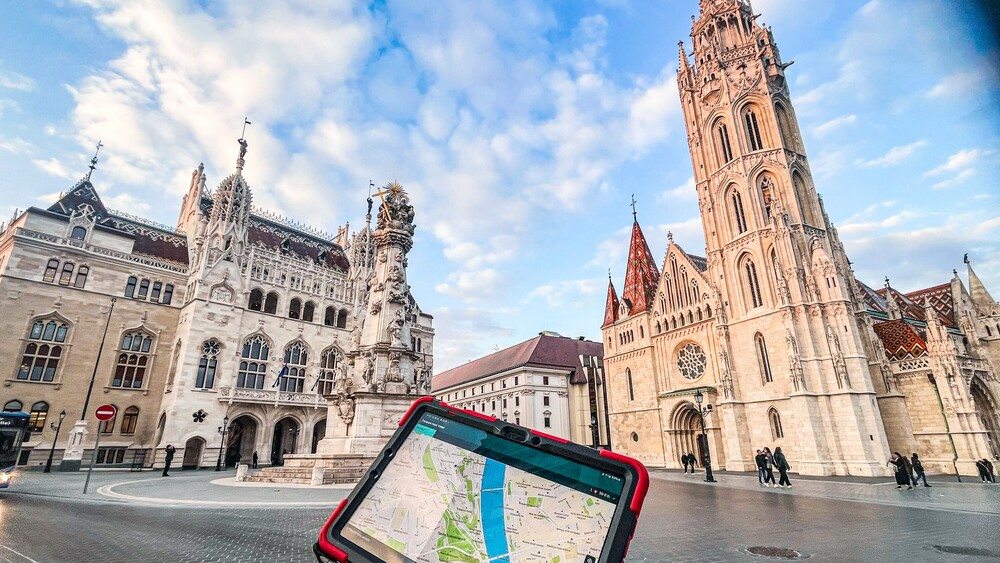
TerraHunt is a gaming platform specializing in outdoor, indoor, and virtual games. This platform offers an exciting opportunity for hotels, resorts, municipalities, and cities to enrich their offerings for tourists and support tourism.

Using the TerraHunt gaming platform, these entities can create their own treasure hunt games that attract visitors to explore local attractions, history, or culture, thereby supporting the local economy and regional development.

Not Just in the Footsteps of Grapes

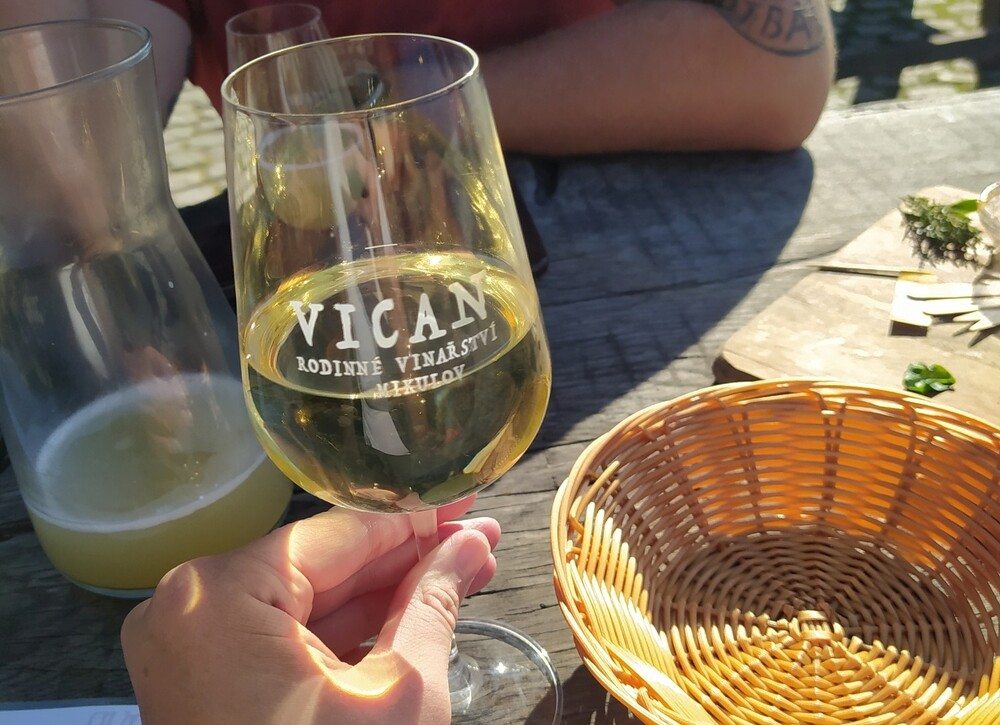
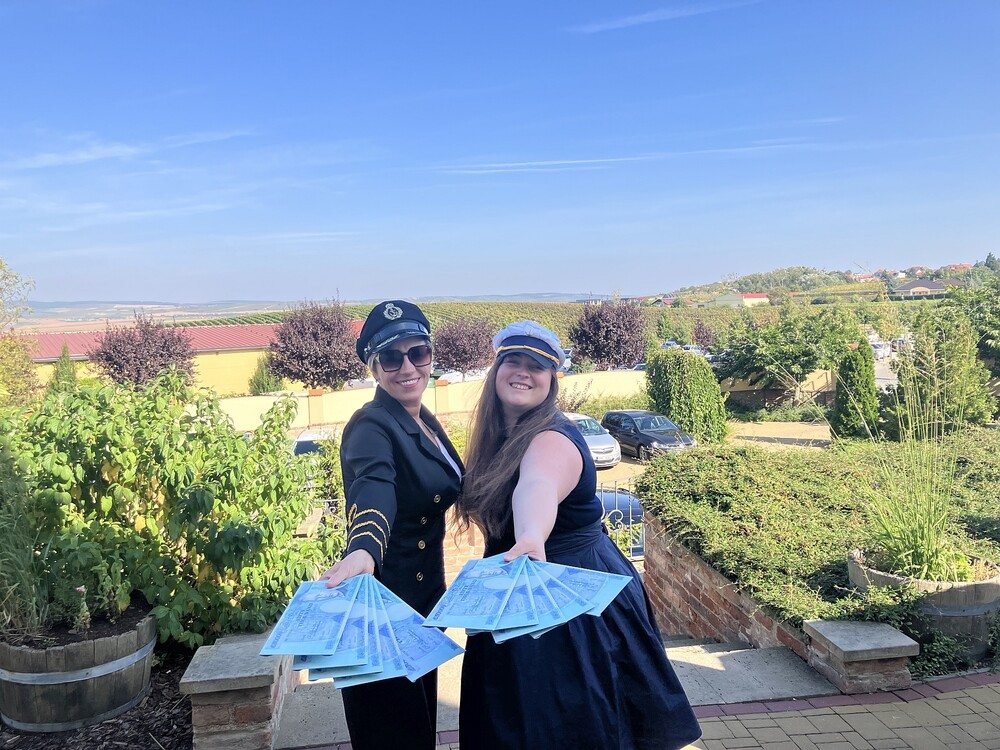
The game “Not Just in the Footsteps of Grapes,” set in the picturesque environment of Vican Winery, is a clear example of how this platform can be effectively utilized.

On a route of approximately one hour, players will find 18 treasures, each with its own riddle or challenge, guiding them through all corners of this South Moravian winery.

The fun and interactive element of the game attracts visitors who can look forward not only to discovering hidden treasures but also to tasting select wines from Vican Winery.

When the Sommelier Creates the Game

The head sommelier of Vican Winery, Lenka Maloňová, who personally created the game, expressed her enthusiasm: “Collaborating with the Z-AGENCY team, who developed the TerraHunt gaming platform, has opened up entirely new possibilities for us to introduce our world of wine to a broader audience.

The game is not only entertaining but also educational and represents a great way to connect digital technologies with the real world.”

Experiences Serving Tourism

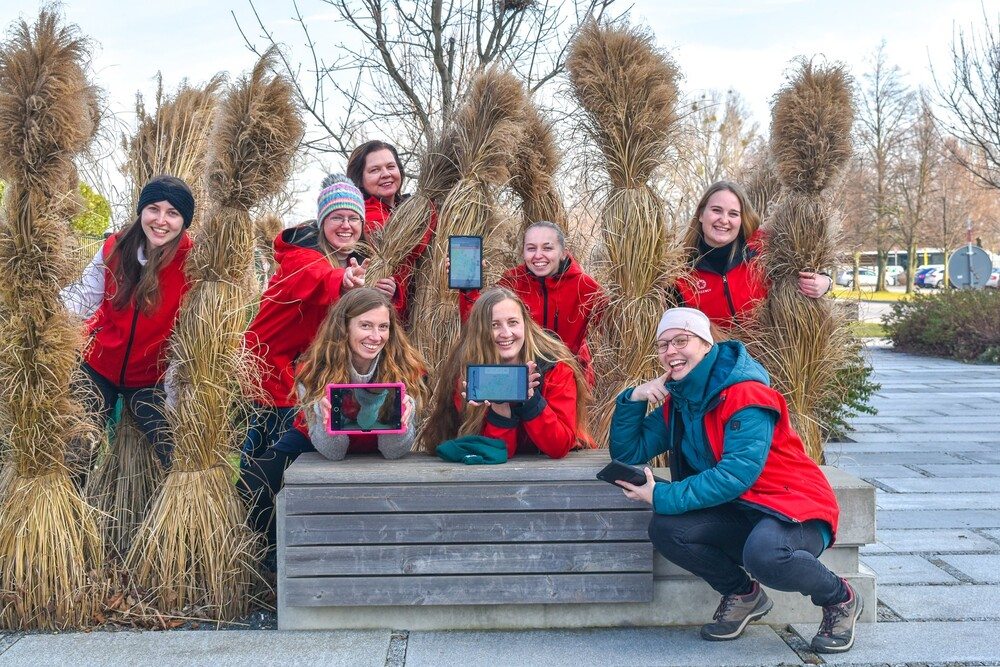
Z-AGENCY, behind the TerraHunt platform, emphasizes that their platform is flexible and easily adaptable to the needs of various locations and organizations. “Our solution for Vican Winery demonstrates how TerraHunt can be used to support tourism.

We bring original experiences that cities, municipalities, and businesses in the tourism sector can use to attract and engage visitors,” adds Jiří Zmidloch, managing director of Z-AGENCY s.r.o.

Treasure Hunt for High Schools

Team Program for High School Students

High school education is a period when young people learn not only academic skills but also team collaboration and communication abilities.

Team programs built on the TerraHunt gaming platform offer students the opportunity to develop skills in practice through treasure hunting and task-solving.

Team games transform the study into an interactive experience, fostering critical thinking development and motivating young people to actively participate in the educational process.

Teacher is Watching Teams Over Coffee

Modern technology allows teacherss to track the progress of the game and the performance of individual teams in real-time, either from their office or even a café.

The results page is simple and intuitive.

Surprise for Your Class

Christmas season, the end of the school year, or celebrating a school anniversary – these are all ideal opportunities to reward students for their hard work throughout the year.

A team game can serve as an exciting surprise that not only lightens the mood in the classroom but also strengthens class spirit and cooperation among students.

Location-based or Story-based Games

The TerraHunt gaming platform allows for the creation of games tied to specific locations or story-driven games that transport students to virtual worlds full of adventure and challenges.

  • Treasure Hunts utilizing real locations provide students with context and allow them to learn about history and geography in a fun way.
  • Escape games, on the other hand, exercise skills in decoding ciphers, mathematics, combinatorics, or even propositional logic, all wrapped in adventurous themes. And you don’t have to travel anywhere, we can place the game right around your school.

Try Out a Demo Game

Download the TerraHunt app and play a demo. Experience firsthand which game will be most suitable for your students. Cooperate with us and provide great Treasure Hunts in your country, city, or school.

We have prepared not only location-based game demos but also virtual escape room demos and detailed tutorials. All you need to try them out is a mobile phone.

Unconventional Corporate Event Ideas Your Employees Will Love

Historical Themes and Locations

Take your team back in time a few centuries and experience the atmosphere of bygone eras.

  • Teambuilding at a Historic Estate or Castle: Many regions are rich with beautiful historic venues that offer a unique backdrop for corporate events. Imagine a medieval tournament, a historical feast with period music, or a scavenger hunt based on local legends.
  • Mysterious Night Tours with a Storyline: Many landmarks offer special night tours, often enhanced with theatrical elements and a thrilling story. Uncovering secrets together in a spooky atmosphere is guaranteed to bring any team closer.

Modern and Technological Experiences

For teams that love innovation and modern technology, there are plenty of exciting options.

  • Corporate Hackathons and Innovation Workshops: Give your employees a space to creatively solve real company problems or develop new ideas within a time-limited hackathon. This fosters innovative thinking and teamwork on concrete projects.
  • Teambuilding with Virtual (VR) and Augmented (AR) Reality: Immerse yourselves in virtual worlds and experience adventures that wouldn’t be possible in the real world. VR and AR technologies offer a wide range of games and simulations suitable for teambuilding, from solving puzzles to team-based missions.
  • Shooting a Company Film or Commercial: Let your team express their creativity both in front of and behind the camera. Collaborating on a script, filming, and editing a short film or a humorous commercial is not only fun but also a great way to strengthen collaboration and communication skills.

Creative and Artistic Workshops

Arts and crafts offer a fantastic way to unwind while boosting creativity and hands-on skills.

  • Group Painting of a Large-Scale Canvas or a Sculpture Workshop: Under the guidance of an experienced artist, your team can create a collective masterpiece that will become a lasting memento of the event and can even decorate your office space.
  • Unconventional Craft Workshops: Try your hand at soap making, crafting chocolate pralines, pottery, or even woodworking. For example, Z-AGENCY offers popular activities like our “Chocolate Day” or “Soap Workshop.” These workshops are not only entertaining, but employees also get to take home their own handmade product.

Charitable and CSR Activities: Teambuilding with a Purpose

Combine the enjoyable with the meaningful by engaging your team in activities that have a positive impact on the community or the environment.

  • Group Volunteer Days: Help out at a local animal shelter, clean up a natural area, plant trees, or get involved in renovating a community center. Working together for a good cause strengthens team spirit while also enhancing the company’s image. Z-AGENCY offers the “Create & Give” concept for this very purpose.

Gastronomic Experiences with a Twist

Food and drink are an integral part of any corporate event. But why not approach it with a little more originality?

  • Themed Cooking Classes: Learn to prepare exotic cuisine, sushi, Italian specialties, or local culinary favorites together under the guidance of a professional chef. Cooking and dining together is an excellent way to bond the team in an informal setting.
  • Farmers’ Market Challenges or Local Product Tastings: Organize a trip to a farmers’ market where teams are tasked with buying ingredients for a group lunch, or arrange a tasting of local wines, cheeses, or craft beers.

Understanding Outdoor Team Activity Workflow for Success

Table of Contents

Quick Summary

Takeaway Explanation
Outdoor activities foster team cohesion Engaging in outdoor experiences improves communication and collaboration among team members significantly.
Structured workflows enhance learning outcomes A systematic approach ensures that activities are aligned with organizational goals for maximum impact.
Facilitators play a crucial role Skilled facilitators adapt guidance to nurture participant learning and psychological safety throughout activities.
Outdoor activities provide measurable benefits Research shows that these experiences lead to increased productivity and improved workplace dynamics.
Activities should align with specific goals Tailoring experiences to defined team objectives maximizes effectiveness and enhances individual growth.

Defining Outdoor Team Activity Workflow

An outdoor team activity workflow represents a strategic framework that guides organizations in planning, executing, and evaluating collaborative experiences outside traditional workplace settings. This comprehensive approach transforms how teams interact, learn, and develop critical interpersonal skills through structured yet dynamic outdoor engagement.

Understanding the Core Concept

At its fundamental level, an outdoor team activity workflow is a systematic process designed to create meaningful interactions that transcend typical workplace dynamics. Unlike standard office interactions, these workflows intentionally remove conventional barriers, encouraging participants to explore team dynamics in natural, less structured environments. Learn more about our team building platform that supports such innovative approaches.
 

The workflow typically encompasses several interconnected stages that ensure purposeful and impactful team experiences:

  • Planning Stage: Identifying team objectives, selecting appropriate activities, and establishing clear expectations
  • Execution Stage: Implementing chosen activities with structured guidance and real-time adaptation
  • Reflection Stage: Analyzing team performance, capturing insights, and translating outdoor experiences into workplace improvements

Strategic Importance in Modern Organizations

Modern businesses recognize that traditional training methods often fall short in developing genuine team cohesion. According to Harvard Business Review research, organizations that invest in experiential learning through outdoor activities see significant improvements in communication, problem solving, and collective resilience.


The workflow serves multiple critical functions beyond simple entertainment. It acts as a diagnostic tool for understanding team dynamics, a developmental mechanism for enhancing interpersonal skills, and a catalyst for breaking down hierarchical barriers that often impede effective collaboration.


By systematically approaching outdoor team activities, organizations transform what might appear as recreational experiences into powerful learning opportunities that directly contribute to workplace effectiveness and team performance.


The following table summarizes the core stages of an effective outdoor team activity workflow, highlighting each stage’s objectives and key features.
 

Workflow Stage Objective Key Features
Planning Set clear team objectives, align with organizational goals Assess team needs, select activities, define metrics
Execution Facilitate engagement and learning Structured guidance, adaptability, real-time feedback
Reflection Analyze outcomes and support workplace integration Debrief sessions, insight capture, translate learnings to practice

The Importance of Outdoor Team Activities

Outdoor team activities represent a powerful organizational strategy that goes far beyond simple recreational experiences. These structured interactions create unique environments where professional teams can develop critical interpersonal skills, enhance communication, and build collective resilience in ways traditional workplace settings cannot easily replicate.

Psychological and Performance Benefits

Engaging in outdoor team activities triggers profound psychological mechanisms that transform group dynamics. Explore our team building insights to understand how these experiences fundamentally reshape workplace interactions. When teams step outside their conventional environments, they encounter challenges that demand collaborative problem solving, spontaneous communication, and adaptive thinking.
 

The psychological benefits of outdoor team activities are substantial and measurable:

  • Reduced workplace stress and improved mental well being
  • Enhanced trust and interpersonal understanding
  • Increased empathy and emotional intelligence
  • Breaking down hierarchical communication barriers

Empirical Evidence of Organizational Impact

Research consistently demonstrates the tangible benefits of outdoor team activities. According to organizational psychology research from Stanford University, teams that regularly participate in collaborative outdoor experiences show 22% higher productivity and 35% improved communication effectiveness compared to teams relying solely on traditional training methods.

These activities serve as powerful diagnostic tools that reveal underlying team dynamics, leadership potential, and interpersonal communication patterns. By deliberately creating scenarios that challenge typical workplace interactions, organizations can gain unprecedented insights into team functioning and individual strengths.
 

Moreover, outdoor team activities function as transformative experiences that transcend mere skill development.
 

This table presents research-backed statistical improvements achieved by organizations that implement structured outdoor team activities versus those relying exclusively on traditional training.
 

Measured Outcome Teams Using Outdoor Activities Teams Using Only Traditional Training
Productivity Increase 22% higher Baseline
Communication Effectiveness 35% improved Baseline
Team Cohesion Significant improvement Marginal change
Trust & Empathy Markedly enhanced Slightly improved
Stress Reduction Substantial decrease Minimal change

Key Components of an Effective Workflow

An effective outdoor team activity workflow requires a strategic and holistic approach that integrates multiple sophisticated components designed to maximize participant engagement, learning outcomes, and organizational value. Understanding these key elements is crucial for transforming outdoor activities from mere recreational experiences into powerful organizational development tools.

Strategic Planning and Objective Alignment

Successful workflows begin with meticulous planning that aligns outdoor activities with specific organizational objectives. Learn about our team building strategies to understand how precise goal setting drives meaningful experiences. This foundational stage involves comprehensive assessment of team dynamics, skill gaps, and desired developmental outcomes.
 

Critical planning considerations include:

  • Identifying precise team development objectives
  • Matching activity complexity to team skill levels
  • Creating scalable and adaptable activity frameworks
  • Establishing clear performance measurement metrics

Adaptive Facilitation and Participant Engagement

The facilitation approach determines the workflow’s effectiveness.
 

Professional facilitators must skillfully balance structured guidance with spontaneous adaptation, creating environments that challenge participants while maintaining psychological safety. According to [organizational development research from MIT, the most impactful experiences emerge when facilitators can dynamically respond to emerging group interactions.
 

Key facilitation attributes include flexibilityemotional intelligence, and the ability to create transformative learning moments that transcend traditional training methodologies. Effective facilitators serve as catalysts, not controllers, guiding teams toward self discovery and collective growth.
 

Ultimately, a robust outdoor team activity workflow is not a rigid prescription but a sophisticated, responsive framework that adapts to unique team compositions, organizational cultures, and developmental objectives. By integrating strategic planning, adaptive facilitation, and continuous reflection, organizations can design experiences that genuinely transform team dynamics and individual capabilities.

Connecting Team Goals with Activities

Connecting team goals with outdoor activities requires a nuanced and strategic approach that transforms generic experiences into targeted developmental interventions. This process goes beyond simple event planning and demands a sophisticated understanding of organizational objectives, team dynamics, and individual learning potential.

Identifying Precise Developmental Objectives

Successful goal alignment begins with a comprehensive organizational and team assessment. Learn about selecting impactful team building activities to understand the intricate process of matching activities with specific developmental needs.

Organizations must conduct thorough evaluations that explore:

  • Current team communication patterns
  • Identified skill gaps
  • Specific performance improvement areas
  • Potential interpersonal challenges

Mapping Activities to Strategic Outcomes

The critical challenge lies in designing activities that are not merely engaging but strategically aligned with precise organizational objectives. According to research published in the Journal of Organizational Behavior, teams that jointly define and understand their developmental goals demonstrate significantly higher engagement and more effective knowledge transfer during experiential learning activities.
 

Effective goal mapping requires understanding the intrinsic relationship between activity design and intended organizational outcomes. This means carefully crafting experiences that simultaneously challenge participants and provide structured opportunities for skill development, self reflection, and collective learning.
 

Ultimately, connecting team goals with outdoor activities is an art form that balances scientific precision with creative intervention. By approaching these experiences as strategic developmental tools rather than recreational events, organizations can unlock profound opportunities for team transformation, individual growth, and collective performance enhancement.
 

Real-World Applications of Outdoor Activity Workflows

Real-world applications of outdoor activity workflows demonstrate the profound potential of structured experiential learning across diverse organizational contexts. These frameworks transcend traditional training methodologies by creating immersive environments that simultaneously develop professional skills and organizational capabilities.

Industry-Specific Workflow Implementation

Explore our gamification strategies to understand how different sectors leverage outdoor activity workflows uniquely. Technology companies might design collaborative problem solving challenges, while healthcare organizations could develop empathy and communication protocols through carefully constructed outdoor scenarios.
 

Cross industry workflow applications include:

  • Leadership development programs
  • Conflict resolution skill enhancement
  • Crisis management simulation
  • Interdepartmental communication improvement
  • Innovation and creative thinking workshops

Performance and Organizational Transformation

Research from Cornell University’s Organizational Behavior Department indicates that companies implementing structured outdoor activity workflows experience substantial performance improvements. These workflows function as powerful diagnostic and developmental tools that reveal complex team dynamics and individual potential in ways traditional training cannot achieve.
 

The transformative power of these workflows lies in their ability to create controlled yet unpredictable environments that challenge participants beyond conventional workplace interactions. By strategically designing activities that mirror real world challenges, organizations can develop adaptive teams capable of navigating complex professional landscapes with enhanced resilience and collaborative capacity.
 

Ultimately, outdoor activity workflows represent more than temporary interventions. They are sophisticated organizational development strategies that fundamentally reshape how teams perceive challenges, communicate, and collectively solve complex problems across diverse professional environments.

Bring Your Outdoor Team Activity Workflow to Life with TerraHunt

Struggling to turn team activity planning into real results? As your article discussed, creating an effective outdoor team activity workflow is more than logistics. Teams need tailored experiences that align with their goals and unlock true collaboration. Too often, generic activities fail to deliver the trust, communication, and motivation that organizations seek. The right tools transform these challenges into measurable outcomes and boost morale on every level. Discover our modern team building solutions designed for real impact.
 

Why settle for ordinary events when you can achieve more? With TerraHunt, you access a platform that supports structured, customizable team activities including outdoor treasure hunts, hybrid games, and remote events—no matter your team size or location. See how our proven technology can bridge the gap between theory and practice.

Explore how our platform empowers corporate and event leaders to deliver meaningful team development today. Visit TerraHunt.com now and turn your next team activity into a breakthrough moment.

Understanding Skills Developed Through Team Building

Table of Contents

Quick Summary

Takeaway Explanation
Enhance communication skills through teamwork Team building activities improve communication by fostering active listening and clear expression of ideas.
Develop leadership in simulated environments Participants navigate controlled challenges to practice decision-making and group dynamics, essential for real-world leadership.
Boost organizational performance with collaboration Organizations investing in team building see enhanced efficiency and faster project completion by fostering teamwork.
Cultivate a positive workplace culture Skills from team building encourage empathy and mutual respect, creating supportive environments that promote innovation.
Adapt to complex workplace challenges Enhanced interpersonal skills equip professionals to navigate rapid changes and maintain productivity during transitions.

What Are the Skills Developed Through Team Building?

Team building activities are strategic processes designed to enhance collective performance by developing critical interpersonal and professional skills. These experiences go beyond simple social interactions, creating opportunities for individuals to grow and improve their collaborative capabilities.

Communication and Collaboration Skills

Team building fundamentally transforms how professionals interact and work together. Through carefully structured activities, participants learn to communicate more effectively, listen actively, and express ideas clearly. Research from the University of South Alabama highlights that collaborative experiences help team members understand diverse communication styles and develop nuanced interaction strategies.
 

Key communication skills enhanced include:

  • Articulating thoughts precisely
  • Understanding nonverbal communication cues
  • Practicing active listening techniques
  • Resolving conflicts constructively

Leadership and Problem Solving Capabilities

Team building activities create microcosms of workplace challenges, allowing participants to develop leadership skills in controlled environments. By navigating complex scenarios together, individuals learn to:

  • Assess situations quickly
  • Make collective decisions
  • Distribute responsibilities effectively
  • Manage group dynamics


These experiences simulate real world professional challenges, helping team members understand leadership isn’t about individual heroics but about collaborative problem solving.


Learn more about creating impactful team experiences with our guide on planning team building events.


Ultimately, skills developed through team building are not just theoretical constructs but practical competencies that directly translate into improved workplace performance and organizational effectiveness.


To help clarify the distinct workplace benefits of team building, the following table compares the key skills developed and their practical applications as described in the article.
 

Skill Developed Description Example of Workplace Impact
Communication Precise conveying of ideas and active listening Fewer misunderstandings, clear tasks
Collaboration Working effectively with diverse team members Seamless project execution
Leadership Guiding teams, making collective decisions, distributing roles Confident team direction, shared goals
Problem Solving Tackling challenges as a team and finding effective solutions Quick resolution of issues
Adaptability Adjusting to new situations and changes within the workplace Team agility during transitions
Empathy & Mutual Respect Understanding and valuing differing viewpoints Positive team culture, reduced conflict

Why Skills from Team Building Matter in the Workplace

In today’s competitive business landscape, organizations recognize that individual talent alone cannot guarantee success. The collective capabilities developed through strategic team building become critical differentiators in workplace performance and organizational resilience.

Driving Organizational Performance

Workplace efficiency fundamentally depends on how well teams collaborate and communicate. According to research from the American Psychological Association, teams that develop strong interpersonal skills consistently outperform groups with individually brilliant members but poor group dynamics. Organizations investing in team building see tangible benefits in several key areas:
 

  • Enhanced problem solving capabilities
  • Faster project completion rates
  • Improved cross functional collaboration
  • Reduced workplace conflicts

Cultivating a Positive Workplace Culture

Team building skills transform workplace interactions from transactional to meaningful. By developing empathy, mutual understanding, and respect, professionals create environments where innovation and creativity flourish. When team members understand each other’s strengths and communication styles, they can:

  • Build trust more quickly
  • Navigate challenges more effectively
  • Create supportive work environments
  • Reduce interpersonal friction

Adapting to Modern Workplace Challenges

Modern workplaces demand flexibility and rapid adaptation. The skills developed through team building provide professionals with crucial tools to manage complexity. Learn more about creating impactful team experiences with our comprehensive team building strategies.
 

These interpersonal competencies are no longer optional but essential survival skills in an increasingly interconnected and dynamic professional world.

How Team Building Activities Foster Essential Skills

Team building activities are strategic experiences designed to transform individual capabilities into collective strengths. These purposeful interventions create controlled environments where professionals can develop and refine critical workplace skills through interactive, engaging scenarios.

Simulating Real World Challenges

Experiential learning lies at the heart of effective team building. According to research from Stanford University, professional skills are most effectively developed through immersive experiences that mirror actual workplace dynamics. Team building activities create microcosms of professional scenarios, allowing participants to:

  • Practice decision making under pressure
  • Experiment with different leadership approaches
  • Learn from immediate feedback and group reflections
  • Develop adaptive problem solving strategies

Structured Skill Development Mechanisms

Team building exercises are carefully engineered to target specific skill sets. By designing activities that require collaboration, communication, and collective problem solving, organizations can systematically enhance professional competencies. These structured interventions help participants develop nuanced interpersonal skills by:

  • Revealing individual communication patterns
  • Challenging existing team dynamics
  • Encouraging cross functional understanding
  • Building mutual respect and trust

Psychological Safety and Skill Acquisition

Successful skill development requires an environment of psychological safety where participants feel comfortable taking risks and learning from mistakes. Discover more about creating transformative team experiences with our guide to custom team building approaches.
 

By providing controlled, supportive contexts for skill exploration, team building activities bridge the gap between theoretical knowledge and practical application, enabling professionals to grow both individually and collectively.
 

The table below outlines the core mechanisms described in the article for how team building activities foster essential skills in professional environments.
 

Mechanism Purpose/Outcome Example from Article Context
Simulated Real World Challenges Immersive environments for skill practice Decision making under pressure
Experiential Learning Learning by doing, gaining immediate feedback Adapting leadership styles, reflection
Structured Skill Development Targeted exercises for specific skills (communication, teamwork) Cross-functional understanding, mutual respect
Psychological Safety Safe space for risk-taking and learning from mistakes Skill exploration with support

Key Concepts in Team Building and Skill Development

Team building transcends simple group activities, representing a sophisticated approach to organizational learning and professional development. Understanding the foundational concepts behind these interventions helps organizations design more effective and transformative experiences.

Theoretical Foundations of Team Dynamics

Organizational psychology provides critical insights into how teams function and develop. Research from MIT Sloan School of Management reveals that successful team interactions depend on complex interpersonal networks and communication patterns. These theoretical frameworks highlight key principles:

  • Importance of psychological safety
  • Roles of individual emotional intelligence
  • Impact of diverse communication styles
  • Mechanisms of collaborative problem solving

Skill Acquisition Mechanisms

Effective team building relies on strategic learning methodologies that transform individual experiences into collective growth. Organizations achieve this by creating environments that:

  • Encourage experiential learning
  • Provide immediate performance feedback
  • Allow controlled risk taking
  • Promote reflective practice

Designing Transformative Team Experiences

Building high performing teams requires intentional design and nuanced understanding of group dynamics. Learn more about creating impactful team experiences with our comprehensive team games approach.
 

Successful team building goes beyond simple activities, representing a sophisticated approach to developing organizational capabilities and individual professional potential.

Real-World Impact of Skills from Team Building

Team building skills are not abstract concepts but tangible capabilities that translate directly into measurable organizational performance and professional effectiveness. Understanding their practical applications reveals how these skills create significant value across diverse work environments.

Performance and Productivity Transformation

Organizational performance fundamentally depends on how effectively teams convert collective skills into actionable results. Research from the National Institutes of Health demonstrates that systematic team building interventions can dramatically improve workplace outcomes by:

  • Reducing communication errors
  • Enhancing cross functional collaboration
  • Streamlining complex project management
  • Minimizing interpersonal conflicts

Adaptability in Complex Work Environments

In an era of rapid technological and organizational change, the skills developed through team building become critical survival mechanisms. Professionals equipped with advanced interpersonal capabilities can:

  • Navigate unexpected workplace challenges

  • Quickly integrate into new team structures

  • Maintain productivity during organizational transitions

  • Develop resilient problem solving approaches

Practical Applications Across Industries

Team building skills demonstrate remarkable versatility across different professional domains. Explore how virtual teams can overcome communication barriers and understand the nuanced strategies for maintaining team effectiveness in diverse work environments.
 

These skills represent more than theoretical constructs they are practical tools that enable organizations to transform individual potential into collective excellence.
 

Unlock Meaningful Team Building for Real Workplace Results

Are you struggling to turn abstract skills into practical workplace improvements? The article highlighted how communication, leadership, and adaptability are essential for organizational growth, yet many teams find it difficult to develop these competencies through traditional means. With TerraHunt, you can create immersive, real-world experiences—such as outdoor treasure hunts or virtual games—that promote authentic collaboration and problem solving among your teams.

Our innovative team building solutions allow you to address pain points like ineffective communication and lack of engagement by bringing theory into practice.

Do not let your team’s potential stay untapped. Visit TerraHunt.com to explore flexible, technology-driven activities designed for every group size and setting.

If you want more inspiration or want to see how others have transformed their teams, you can also read case studies and client experiences in our blog. Give your team the next step it needs to grow—choose a solution that brings real results.

Understanding Team Building Tips for Leaders

Table of Contents

Quick Summary

Takeaway Explanation
Team building enhances performance. Investing in team building increases employee engagement and productivity significantly, leading to better organizational outcomes.
Trust is crucial for teams. Building trust through reliability and transparency fosters open communication and collaboration among team members.
Adaptive leadership promotes success. Leaders should adapt their styles to support team dynamics, balancing guidance and autonomy to enhance performance.
Psychological safety drives innovation. Creating an environment where employees feel safe to express ideas can help improve creativity and collaboration.
Tailored strategies yield better results. Adapting team building techniques to fit specific organizational contexts ensures greater effectiveness and engagement.

What is Team Building and Its Importance for Leaders?

Team building represents a strategic approach leaders use to create cohesive, high-performing work environments by fostering strong interpersonal relationships and collective organizational goals. At its core, team building is about transforming individual employees into a unified, collaborative unit capable of achieving remarkable outcomes.

Understanding the Fundamental Concept

Team building goes beyond simple social interactions or occasional group activities. It is a deliberate process of developing trust, improving communication, and enhancing collective problem solving skills within a professional setting. Leaders who successfully implement team building strategies create environments where employees feel connected, valued, and motivated to contribute their best work.

Key aspects of effective team building include:

  • Establishing clear communication channels
  • Developing mutual respect among team members
  • Creating opportunities for collaborative problem solving
  • Recognizing and leveraging individual strengths

The Strategic Importance for Leadership

Leaders recognize that team building is not a luxury but a critical organizational strategy. According to Harvard Business Review research, high-performing teams are 20-25% more productive when leaders invest in deliberate team development approaches. This means transforming individual talent into collective capability requires strategic, consistent effort.

By prioritizing team building, leaders can achieve significant organizational benefits such as increased employee engagement, reduced turnover, improved collaboration, and enhanced overall team performance. Check out our blog for more insights into innovative team building strategies that modern organizations are implementing.

Successful team building is not about creating temporary moments of connection but establishing sustainable, meaningful workplace relationships that drive long term organizational success.

Understanding the Impact of Team Dynamics on Performance

Team dynamics represent the complex network of interactions, relationships, and behavioral patterns that emerge within a group of professionals working towards shared objectives. These dynamics profoundly influence organizational performance, determining whether a team will excel or struggle in achieving its goals.

The Psychological Foundation of Team Performance

At the heart of team dynamics lies the concept of psychological safety, a critical element that determines how team members interact, communicate, and collaborate. When employees feel secure in expressing ideas, asking questions, and taking calculated risks without fear of ridicule or punishment, they are more likely to contribute innovatively and engage deeply with their work.

Key psychological factors that shape team performance include:

  • Trust between team members
  • Open and transparent communication
  • Willingness to share diverse perspectives
  • Mutual respect and emotional intelligence

Measuring and Analyzing Team Interaction Patterns

Understanding team dynamics requires sophisticated observation and analysis of interaction patterns. According to research from the National Institutes of Health, team performance is not just about individual skills but about how effectively members coordinate, communicate, and support each other in high-stress environments.

Leaders must recognize that team dynamics are fluid and require continuous monitoring and nurturing. Factors such as group compositioncommunication protocols, and conflict resolution mechanisms play crucial roles in determining overall team effectiveness.

By investing time and resources in understanding and improving team dynamics, organizations can transform potentially disconnected groups into powerful, synergistic units capable of solving complex challenges and driving innovative solutions.

Key Concepts in Team Building: Trust and Communication

Trust and communication form the foundational pillars of successful team building, serving as critical mechanisms that transform individual contributions into collective organizational success. These interconnected elements create the social infrastructure that enables teams to function efficiently and effectively.

The Architecture of Trust in Teams

Trust is not a passive attribute but an active process of consistent demonstration through reliability, transparency, and genuine interpersonal engagement. When team members trust one another, they feel safe to share ideas, admit mistakes, and collaborate without fear of judgment or repercussion.

Essential components of building organizational trust include:

  • Demonstrating consistent and predictable behavior
  • Maintaining professional integrity
  • Following through on commitments
  • Practicing transparent decision making
  • Showing genuine respect for team members

Effective Communication as a Strategic Enabler

Communication transcends mere information exchange. It represents a complex, nuanced process of understanding, interpreting, and responding to organizational interactions. According to MIT Sloan Management Review, high trust teams communicate with greater frequency, depth, and authenticity.

Leaders who prioritize clear, empathetic communication create environments where team members feel heard, valued, and motivated. Effective communication involves not just speaking clearly but also actively listening, asking clarifying questions, and creating psychological safety for diverse perspectives.

By intentionally cultivating trust and refining communication strategies, organizations can develop resilient, adaptive teams capable of navigating complex professional challenges with agility and collective intelligence.

How Leadership Styles Influence Team Building Success

Leadership styles serve as powerful catalysts that either propel team performance or create significant barriers to collaborative success. The way leaders interact, communicate, and guide their teams fundamentally shapes organizational culture, motivation, and collective achievement.

Exploring Leadership Approach Dynamics

Leadership is not a one size fits all strategy but a nuanced approach that requires adaptability and deep understanding of team composition, individual motivations, and organizational goals. Different leadership styles generate dramatically different team environments, influencing everything from employee engagement to innovative problem solving.

Key leadership style characteristics include:

  • Level of team member autonomy
  • Communication transparency
  • Decision making processes
  • Approach to performance feedback
  • Emotional intelligence and empathy

Transformational vs Traditional Leadership Models

According to research published on ResearchGate, transformational leadership approaches significantly enhance team performance by encouraging innovation, empowerment, and collaborative thinking. Unlike traditional hierarchical models, transformational leaders inspire team members by articulating compelling visions, demonstrating genuine commitment, and creating environments where individual potential can flourish.

Effective leaders understand that their style directly impacts team dynamics. Adaptive leadership requires recognizing when to provide direct guidance and when to empower team members to drive their own solutions. By balancing supportive mentorship with strategic direction, leaders can create high performing teams characterized by trust, creativity, and sustained motivation.

Below is a table summarizing the key differences between Transformational and Traditional Leadership models based on how they influence team building success.

Leadership Model Approach to Team Building Impact on Team Performance Key Characteristics
Transformational Inspires and empowers teams Enhances innovation and collaboration Vision-oriented, encourages autonomy
Traditional (Hierarchical) Relies on authority and structure May limit creativity and engagement Directive, top-down decision making
Adaptive Balances support and autonomy Boosts flexibility and team motivation Empathetic, responsive to team needs
Command-and-Control Focuses on control and oversight Can stifle open communication High structure, low empowerment
Facilitative Guides teams towards self-leadership Improves participation and ownership Encourages feedback and collaborative solutions

Ultimately, successful team building emerges from leaders who view their role not as commanders, but as facilitators of collective potential, capable of unlocking extraordinary collaborative achievements.

Exploring Real-World Applications of Team Building Techniques

Real-world team building techniques represent strategic interventions designed to transform theoretical concepts into tangible organizational improvements. These practical approaches move beyond abstract discussions, creating measurable impacts on team performance, collaboration, and overall workplace effectiveness.

Contextual Applications Across Professional Environments

Team building techniques are not uniform but adaptable strategies tailored to specific organizational contexts. Different industries require nuanced approaches that address unique challenges, communication patterns, and collaborative requirements.
 

Critical considerations for implementing team building techniques include:

  • Understanding organizational culture
  • Recognizing individual team member strengths
  • Aligning activities with specific performance goals
  • Maintaining flexibility in approach
  • Measuring and tracking intervention outcomes

Evidence Based Team Building Interventions

According to research from the National Institutes of Health, structured team building interventions demonstrate significant improvements in communication, collaboration, and performance across various professional settings. Healthcare environments, for instance, have successfully utilized simulation training and structured debriefing techniques to enhance team dynamics and patient safety.
 

Practical applications extend beyond traditional workshop models. Explore our virtual team building strategies to understand how modern organizations are leveraging digital platforms to create engaging, impactful team development experiences.
 

Successful team building requires a holistic approach that combines psychological insights, technological innovation, and a deep understanding of human interaction dynamics. By continuously adapting and refining techniques, organizations can create resilient, high-performing teams capable of navigating complex professional challenges.
 

Turn Leadership Insights Into Real Results With TerraHunt

You have just explored practical tips on trust, communication, and understanding team dynamics for effective team building. If you are eager to move beyond theory and experience proven methods that elevate your team’s trust and performance, discover how TerraHunt’s interactive solutions put leadership concepts into action. Leaders often mention challenges like building trust, improving communication, and engaging distributed teams. TerraHunt meets these needs with flexible, immersive activities tailored for large groups anywhere.

Connect the dots between strategy and action right now. Visit TerraHunt’s homepage to see how our outdoor treasure hunts, virtual escape games, and customizable team building adventures inspire collaboration and engagement no matter where your team is located. Ready to drive real change this season? Learn how our interactive gaming platform can help you achieve your team building goals starting today.

Understanding Virtual Escape Room Benefits for Teams

Table of Contents

Quick Summary

Takeaway Explanation
Virtual escape rooms enhance team collaboration. They create engaging experiences that require teamwork and shared problem-solving despite physical distance.
Unique themes keep experiences diverse and engaging. Each escape room offers different scenarios, promoting creativity and intellectual challenge among participants.
They improve communication and interpersonal trust. By requiring active engagement, these activities strengthen team connections and foster effective communication skills.
Virtual escape rooms provide measurable team insights. Organizations can analyze performance metrics to understand team dynamics and areas for improvement.
They serve as effective training tools. These immersive experiences allow employees to practice essential skills in low-pressure environments.

What is a Virtual Escape Room and How Does It Work?

A virtual escape room transforms the traditional physical escape room experience into an immersive digital adventure that teams can enjoy remotely. Unlike traditional escape rooms confined to physical spaces, these digital experiences leverage technology to create engaging problem solving environments accessible from anywhere in the world

The Core Concept of Virtual Escape Rooms

Virtual escape rooms simulate collaborative puzzle solving scenarios where participants use digital platforms to complete challenges and “escape” a themed scenario. Teams connect through video conferencing tools while navigating interactive digital environments, solving intricate puzzles, decoding clues, and working together toward a common objective. Our comprehensive guide on escape rooms provides deeper insights into the foundational mechanics of these interactive experiences.

Technology and Interaction Mechanisms

These digital experiences typically involve several key technological components:

  • Web Based Platforms: Interactive interfaces allowing real time collaboration
  • Multimedia Integration: Video, audio, and graphic elements creating immersive narratives
  • Communication Tools: Video conferencing software enabling team interaction

According to Eventbrite’s event technology report, virtual escape rooms have seen a 200% increase in popularity since 2020, demonstrating their growing appeal as innovative team building solutions. The technology enables seamless interaction, allowing team members to share screens, communicate instantly, and collectively solve challenges regardless of physical location.
 

Participants typically receive digital puzzle materials, navigate through virtual rooms or scenarios, and use collaborative problem solving skills to progress. Each virtual escape room presents unique themes ranging from historical mysteries to science fiction scenarios, ensuring diverse and engaging experiences that challenge teams intellectually while fostering communication and strategic thinking.

Why Virtual Escape Rooms Matter for Team Engagement

Virtual escape rooms have emerged as powerful tools for fostering team engagement, particularly in an increasingly digital and distributed work environment. These interactive experiences transcend traditional team building activities by creating dynamic, collaborative challenges that simulate real world problem solving scenarios.

Breaking Down Communication Barriers

In remote and hybrid work settings, virtual escape rooms serve as critical platforms for rebuilding interpersonal connections. Teams separated by physical distance can now engage in shared experiences that require active communication, strategic thinking, and collective problem solving. Our guide on virtual team building explores how these digital experiences bridge communication gaps.

Psychological and Performance Benefits

Research demonstrates significant psychological advantages of interactive team experiences. According to psychological team dynamics research, collaborative problem solving activities can dramatically improve:

  • Team psychological safety
  • Interpersonal trust
  • Collective problem solving capabilities
  • Communication efficiency

These digital challenges provide a low stakes environment where team members can demonstrate leadership, creativity, and collaborative skills without traditional workplace pressures. By presenting complex puzzles that require diverse perspectives, virtual escape rooms encourage participants to recognize and value each other’s unique strengths and problem solving approaches.

Moreover, virtual escape rooms offer remarkable flexibility. Organizations can design experiences that align with specific team development objectives, whether focusing on communication skills, strategic thinking, or cross functional collaboration. The immersive nature of these experiences ensures that learning happens organically, making team development feel less like a formal training and more like an engaging, enjoyable adventure.

The Psychological and Social Benefits of Virtual Escape Rooms

Virtual escape rooms represent more than just entertainment. They are sophisticated psychological tools that systematically enhance team dynamics, emotional intelligence, and collaborative capabilities through structured interactive experiences.

Emotional Intelligence and Group Dynamics

These digital environments create controlled scenarios that stimulate complex social interactions. Participants must navigate intricate challenges that require emotional awareness, active listening, and nuanced communication. Check out our fun Zoom games for team building to understand how interactive experiences can transform team relationships.

Cognitive and Social Learning Mechanisms

Research from organizational psychology studies demonstrates that collaborative problem solving activities trigger several critical psychological processes:

  • Increased cognitive flexibility
  • Enhanced perspective taking abilities
  • Reduction of interpersonal communication barriers
  • Development of collective intelligence

Virtual escape rooms function as microcosms of workplace interactions. They compress complex social dynamics into time limited experiences where teams must rapidly adapt, communicate effectively, and leverage individual strengths. By presenting puzzles that cannot be solved through individual effort alone, these experiences inherently promote interdependence and mutual respect.
 

Moreover, the low stakes environment of virtual escape rooms allows team members to experiment with communication styles, leadership approaches, and collaborative strategies without fear of significant professional consequences. This psychological safety enables genuine skill development and deeper mutual understanding, transforming seemingly playful experiences into powerful team development tools.
 

To clarify key psychological and social benefits mentioned throughout the article, the following table summarizes these concepts and their impact on teams in a virtual escape room context.
 

Benefit Description Impact on Teams
Psychological Safety Team members feel safe to take risks and share ideas without fear of negative consequences. Increases willingness to participate
Interpersonal Trust Confidence in teammates’ abilities and intentions. Strengthens collaboration
Enhanced Communication Open, real-time dialogue is encouraged by the format. Improves information flow
Collective Problem-Solving Teams must work together to tackle complex challenges. Builds teamwork and cohesion
Emotional Intelligence Development Scenarios help participants practice empathy and active listening. Promotes understanding and support
Cognitive Flexibility Frequent context switching and puzzle types require adaptive thinking. Fosters creativity and resilience

Key Elements That Enhance Collaboration in Virtual Escape Rooms

Virtual escape rooms leverage sophisticated design principles that deliberately create environments promoting seamless team collaboration. These digital experiences are meticulously crafted to transform individual participants into cohesive, high performing units through intentional structural and interactive mechanisms.

Structural Design of Collaborative Challenges

The architectural framework of virtual escape rooms is fundamentally designed to necessitate collective problem solving. Each challenge is strategically constructed to be unsolvable by a single participant, requiring diverse perspectives, complementary skills, and synchronized effort. Our development of escape games guide provides deeper insights into the intricate design processes behind these collaborative experiences.

Communication and Information Sharing Mechanisms

According to collaborative technology research, effective digital collaboration platforms share several critical characteristics:

  • Real time information sharing capabilities
  • Transparent task allocation systems
  • Dynamic role redistribution mechanisms
  • Clear communication channels

Virtual escape rooms implement these principles by creating scenarios where participants must continuously exchange information, validate hypotheses, and collectively interpret complex puzzle elements. The digital environment enables instant communication, screen sharing, and collaborative annotation, transforming individual cognitive resources into a unified problem solving network.
 

Moreover, these experiences incorporate deliberate complexity that prevents linear, predictable solutions. By introducing multi dimensional challenges that require adaptive thinking, virtual escape rooms compel teams to develop sophisticated communication strategies, negotiate collective approaches, and dynamically redistribute cognitive load based on emerging insights and individual strengths.

Real-World Applications of Virtual Escape Rooms in Corporate Settings

Corporate organizations are increasingly recognizing virtual escape rooms as strategic tools for professional development, team building, and organizational learning. These innovative experiences transcend traditional training methodologies by creating immersive, interactive environments that simultaneously entertain and educate.

Professional Training and Skill Development

Virtual escape rooms serve as sophisticated platforms for developing critical workplace competencies. By simulating complex scenarios, these experiences enable employees to practice problem solving, communication, and collaborative skills in controlled, low risk environments. Learn more about expanding event portfolios with virtual experiences to understand how organizations are integrating these innovative tools.

Diverse Organizational Applications

According to organizational psychology research, virtual escape rooms can be strategically deployed across multiple corporate contexts:

  • Onboarding and new employee integration
  • Leadership development programs
  • Cross functional team collaboration training
  • Crisis management and strategic decision making simulations
  • Cultural awareness and diversity training

These digital experiences offer unprecedented flexibility, allowing organizations to customize scenarios that directly reflect their unique challenges, values, and strategic objectives. By embedding specific organizational contexts into puzzle designs, companies can create targeted learning experiences that feel both engaging and immediately relevant to participants.
 

Moreover, virtual escape rooms provide quantifiable insights into team dynamics. Advanced platforms can track individual and collective performance metrics, communication patterns, and problem solving approaches. This data enables HR professionals and team leaders to gain deeper understanding of their teams strengths, potential areas of improvement, and underlying interpersonal dynamics.

Unlock the Full Potential of Your Team with TerraHunt’s Virtual Escape Rooms

Are you struggling with team communication, low engagement, or difficulty in building strong connections among remote or hybrid workers? If you found the insights in our article on virtual escape room benefits for teams relatable, it is time to discover solutions that actually work.

TerraHunt offers a way to translate learning into action by providing immersive, multiplayer virtual escape games designed for real-world results. Our interactive activities deliver on the article’s promise of increased psychological safety, better collaboration, and memorable engagement—all through our user-friendly platform. Read more about our virtual solutions for teams to see how we help companies just like yours.
 

Ready to transform your team’s dynamics? Visit TerraHunt.com now and experience how our proprietary games bring proven benefits to life. Whether you need a remote event, a hybrid solution or want to partner to create custom activities, TerraHunt puts you a step ahead. Act today and make team-building both meaningful and truly fun.