Home · Blog · Development of Escape Games
Development of Escape Games

Escape games are becoming an increasingly popular form of team building. This activity offers a great opportunity for collaboration and team spirit development. They can take place outdoors, indoors, or virtually. Preparing an escape room requires intensive brainstorming and the search for original ideas. The development itself can be very demanding.
How Do Escape Games Work?
In escape games, players are faced with a series of puzzles and tasks that they must solve to achieve the final goal – escaping from the room, uncovering a secret, finding treasure, or just scoring as many points as possible.
Games can be thematically diverse, from detective stories to historical adventures.
Typically, escape rooms are designed for smaller numbers of competitors, but there are also games suitable for dozens or even hundreds of participants.
Virtual and Outdoor Variants
Besides traditional rooms, escape games can also take place in a virtual environment, which is ideal for remote teams. Outdoor versions, usually Treasure Hunt type games, add an element of physical activity and exploration.
Skill Development
Escape games are not only fun but also develop a range of skills, such as teamwork, problem-solving, creative thinking, and communication. They are ideal for strengthening team relationships and developing important work competencies.
Creative Process
In creating an escape game, it’s important to focus on the story and the logical connection of the individual tasks. The game should be challenging enough to be engaging, but also allow all team members to participate.
Key Elements for Creating an Escape Game
Choosing a Location
Selecting the right space is crucial. The location should be adaptable to various themes and offer enough space for creative challenges.
Choosing a Theme
An engaging theme is the foundation of an interesting escape game. Whether it’s a historical adventure, a futuristic challenge, or a detective mystery, the theme should resonate with players and keep their attention.
Creating a Story
A strong story not only adds depth to the game but also guides the flow of challenges and tasks. The story should be comprehensible, interesting, and consistent with the theme.
Choosing a Game System
It’s necessary to figure out how the game will be played. Will it be for individuals or hundreds of people? Physically or virtually? Using a gaming platform? What is the most direct path to the goal? What are the possible detours or penalties? Will players go through the game all the way to the end, or will they be gradually eliminated?
Choosing the right game system is among the most complex parts of creation.
Designing Puzzles and Challenges
Challenges should be varied and intellectually stimulating, encouraging teamwork and problem-solving. The difficulty should match the declared difficulty of the escape game.
Utilizing Technology
Modern technologies can enhance the gaming experience. The use of augmented reality, mobile apps, and electronic devices can make puzzles more interactive and engaging.
Testing and Refinement
Thoroughly test the game before launch to ensure that all elements work smoothly together. Feedback from players during test runs can be invaluable for improving the game.
Frequently Asked Questions
How Do Escape Games Work?
Players solve a series of puzzles and tasks to reach a final goal, such as escaping a room, uncovering a secret, finding treasure, or scoring as many points as possible. Themes range from detective stories to historical adventures.
What Are the Key Steps in Creating an Escape Game?
Choose a location, a theme, a story, and a game system, then design varied puzzles, use technology where it helps, and test thoroughly before launch. Player feedback from test runs helps improve the game.
Can Escape Games Be Played Online or Outdoors?
Yes. They can take place in a virtual environment, which suits remote teams, and outdoor versions, usually Treasure Hunt type games, add physical activity and exploration.
What Skills Do Escape Games Develop?
Teamwork, problem-solving, creative thinking, and communication. The article calls them ideal for strengthening team relationships.
Treasure Hunt Prague
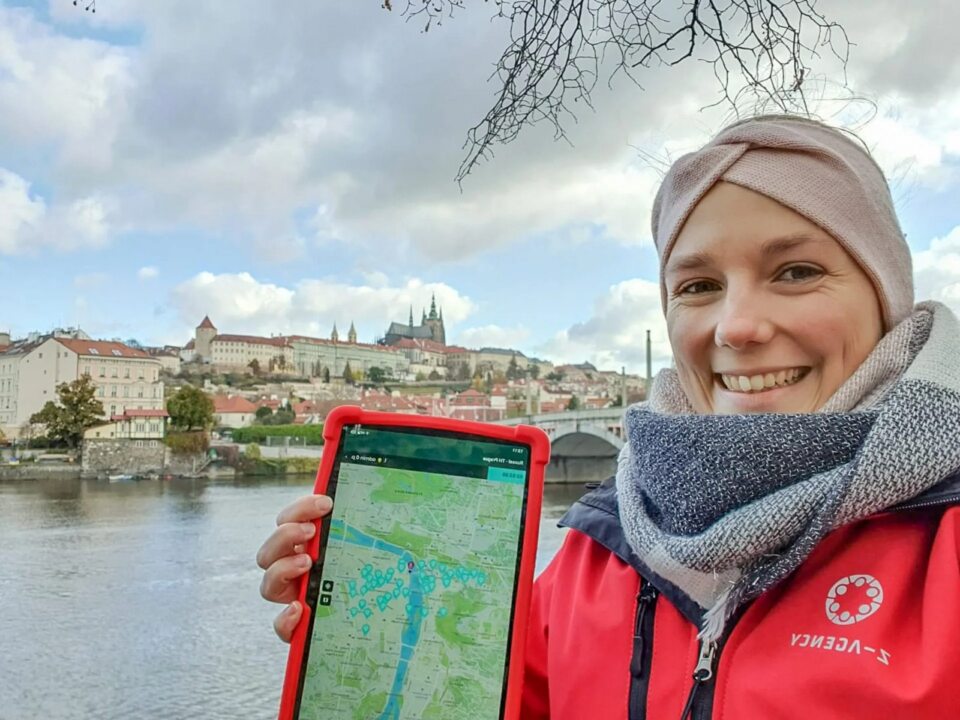
Our instructors run the game with tablets, or you start it yourselves on your phones. Tell us the number of people and the date, we will get back to you the same day.
Creating an Escape Game Is Hard Work
Escape games are a perfect tool for team building, offering both fun and development. The creation process is not at all simple, as it might seem at first glance, and even long-term experience does not guarantee success.
The key to a successful game is choosing the right location, an interesting theme, creating imaginative puzzles, careful design, quality props, and above all, the dedication and care of those involved in the creation.